Como podemos ajudar
types of hearing-aids-bte-signia-pure-cng-nx-4x3

BTE - Behind the ear hearing aids

When tradition meets innovation. The most popular design on the market, behind-the-ear hearing aids combine a powerful battery with all of the ground-breaking features you want for your hearing health. We're happy to help you explore.
On this page

Is the BTE hearing aids the right choice for you?

The most popular

Most suitable for mild to profound hearing loss.

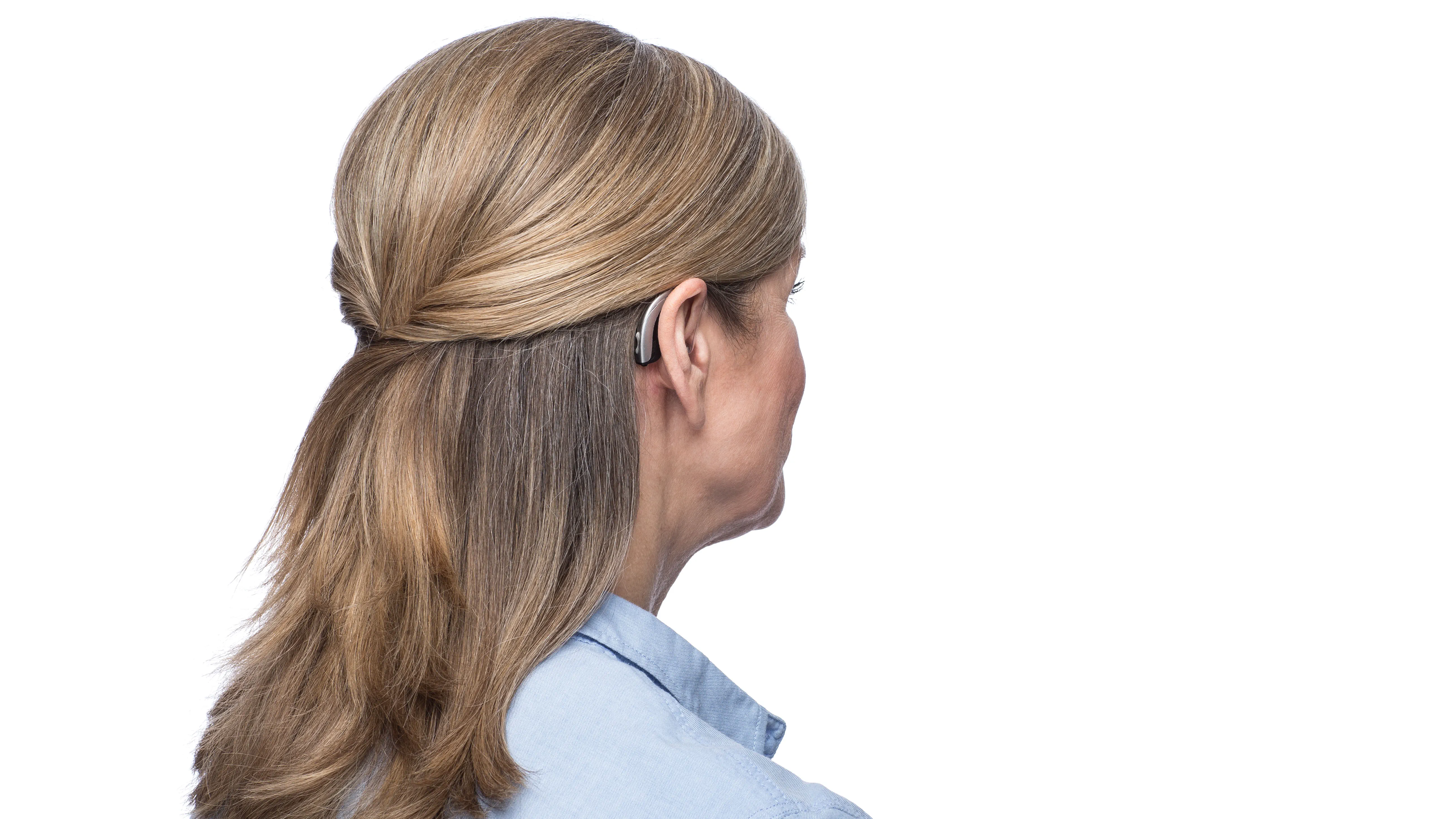
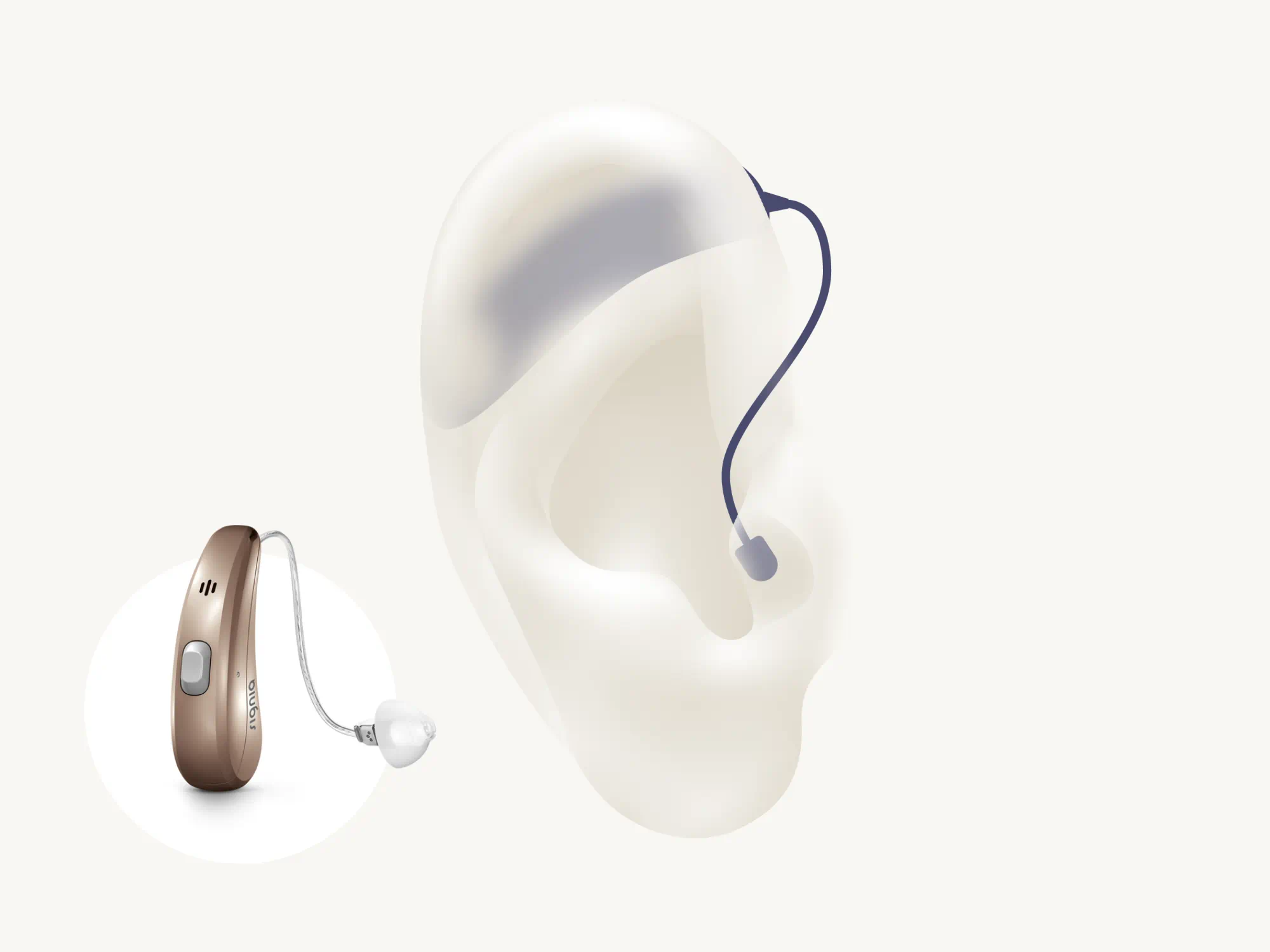
The main unit of a BTE hearing aids contains all the electronic components. It sits behind your ear with a tube that runs into your ear canal and connects with a custom-fit earmold or dome.
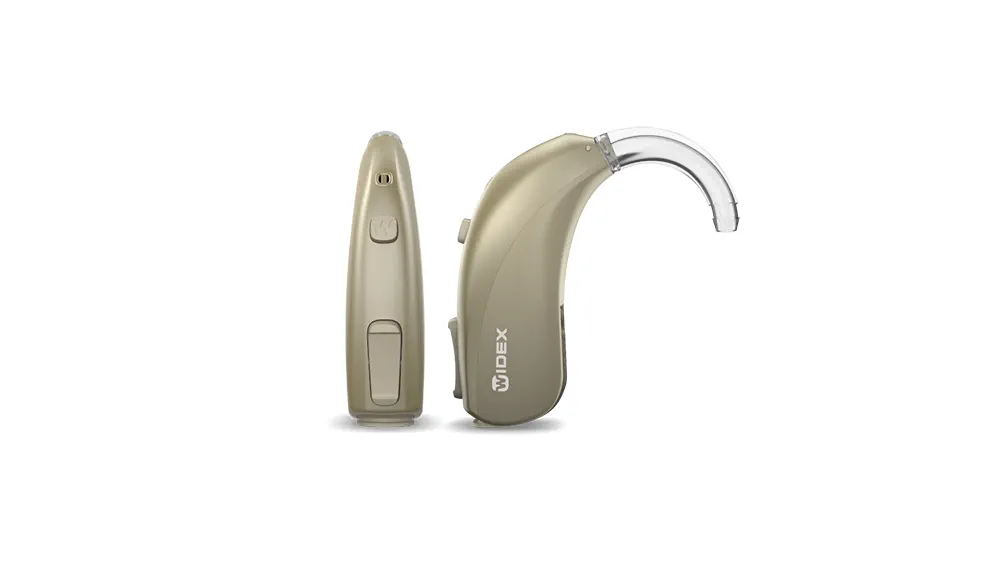

Aparelho auditivo Widex Moment atrás da orelha 13 D na cor mel loiro, representado numa mão para mostrar o verdadeiro tamanho do aparelho auditivo.

Benefits - behind the ear hearing aids

Advantages

BTE hearing aids deliver powerful amplification and incorporate advanced features. Their durable design safeguards sensitive components, ensuring reliability and long-lasting performance.
  • Suitable for all levels of hearing loss, from mild to profound
  • Because it is placed behind the ear there is less pressure inside the ear canal, making it comfortable for long-term wear.
  • Good for people who are prone to have ear infections, too much ear wax, and small or narrow ear canals
  • Easy to handle for people with dexterity issues with such features as larger program selection buttons that are easy to operate
  • Can fit more advanced features and functionality than smaller types
  • Able to fit larger and more powerful batteries for longer battery life
  • Available in models with wireless and Bluetooth connectivity to devices
  • Custom-fit earmolds and domes can be replaced separately
  • Less susceptible to moisture damage or earwax blockage

Drawbacks - behind the ear hearing aids

Disadvantages

BTE hearing aids are less discreet due to their visibility compared to other styles and they are more susceptible to wind noise in outdoor settings.
  • More visible and less discreet than other, smaller hearing aid types
  • May pick up more wind noise than other styles
  • May not be suitable for people who wear eyeglasses
  • Blocks up more of your ear, which can make wearers feel plugged up
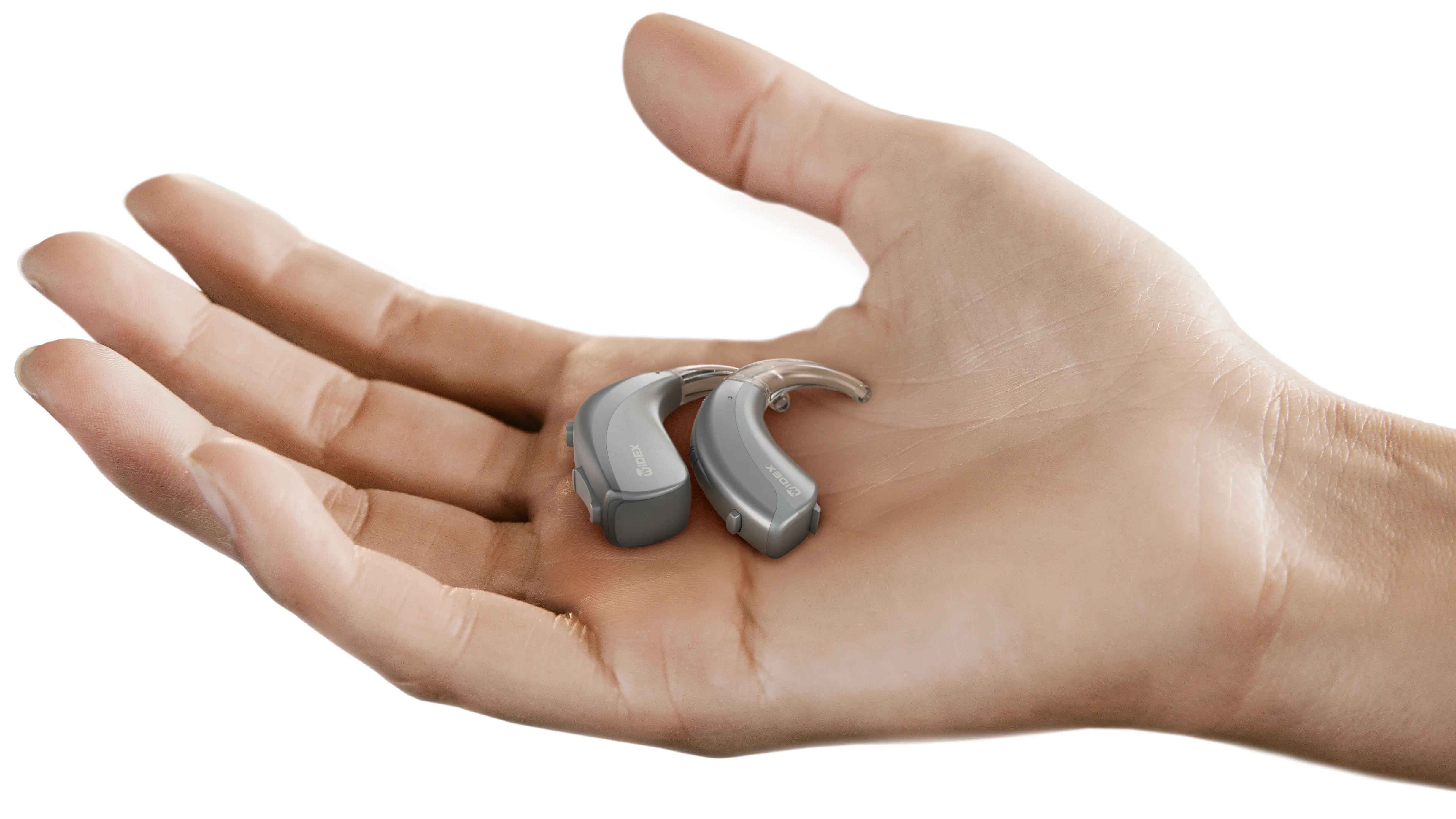
Aparelhos auditivos Widex Moment BTE exibidos numa mão.
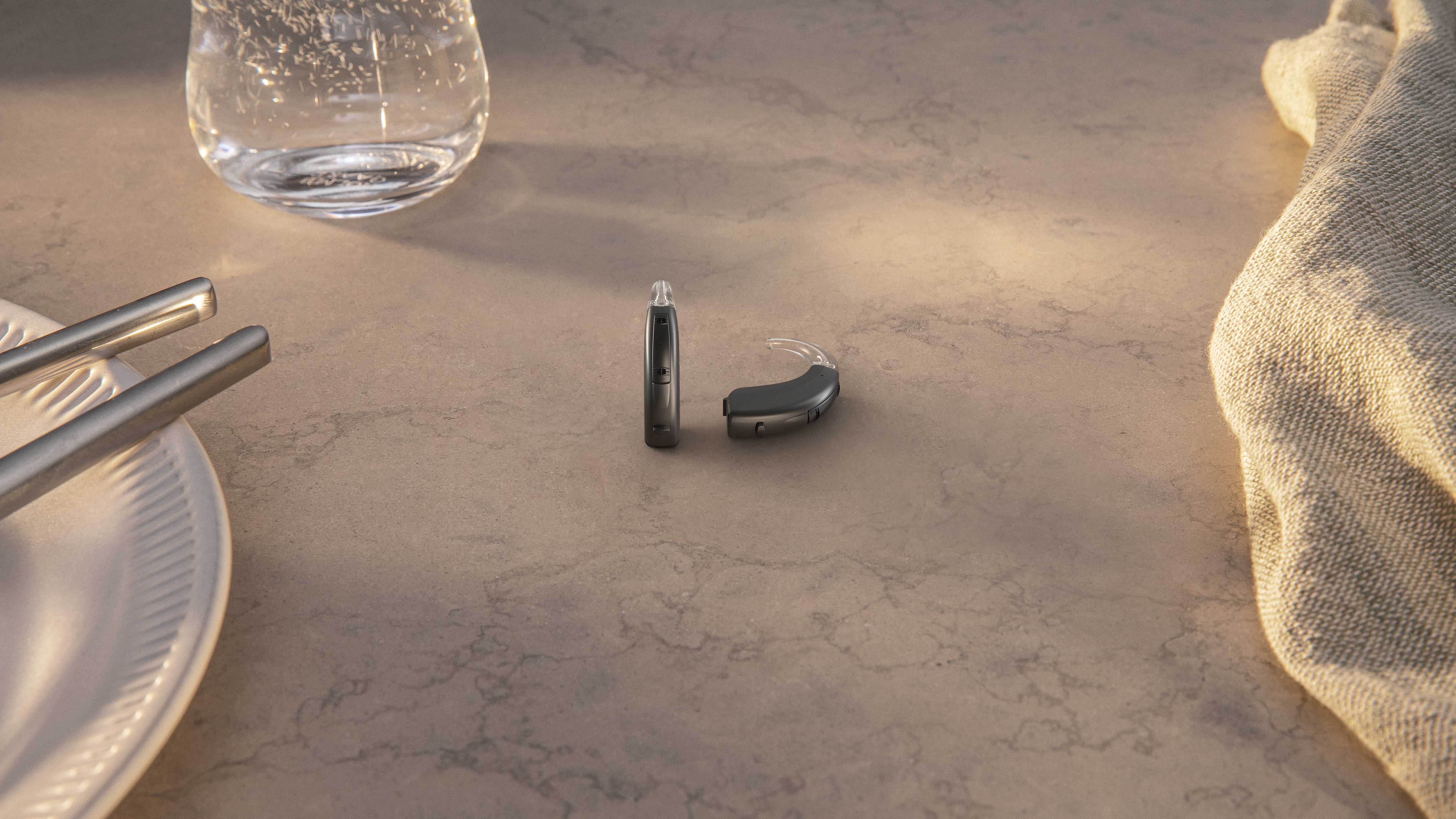
Widex atrás da orelha 312 representado num ambiente doméstico para mostrar o verdadeiro tamanho do aparelho auditivo.

FAQ

Behind-the-Ear (BTE) hearing aids: FAQ

BTE stands for behind-the-ear hearing aids. BTE devices are the most popular hearing aid design on the market, housing the components in a case behind the ear. Their size ensures a powerful sound experience with a comfortable, versatile fit.
With behind-the-ear hearing aids, most or all elements are stored in a case behind the ear. An earpiece is then placed in the ear, connected to the case by a tube or thin wire. Traditional BTE designs collect the sound and deliver it to a speaker behind the ear. This sound is then transferred to the ear canal through a tube. Receiver-in-the-ear (RITE) designs place the speaker directly in the ear canal.
With a wide range of styles, features and brands, behind-the-ear hearing aids can vary greatly in price. An approximate price for BTE hearing aids can range anywhere from $1,000 to $6,000.
While behind-the-ear (BTE) hearing aids house most, if not all, components behind the ear, receiver-in-canal-ric, also known as receiver-in-the-ear (RITE) or receiver-in-ear (RIE), place the receiver or speaker directly in the ear canal. This speaker is connected to the hearing aid using a tube or wire.
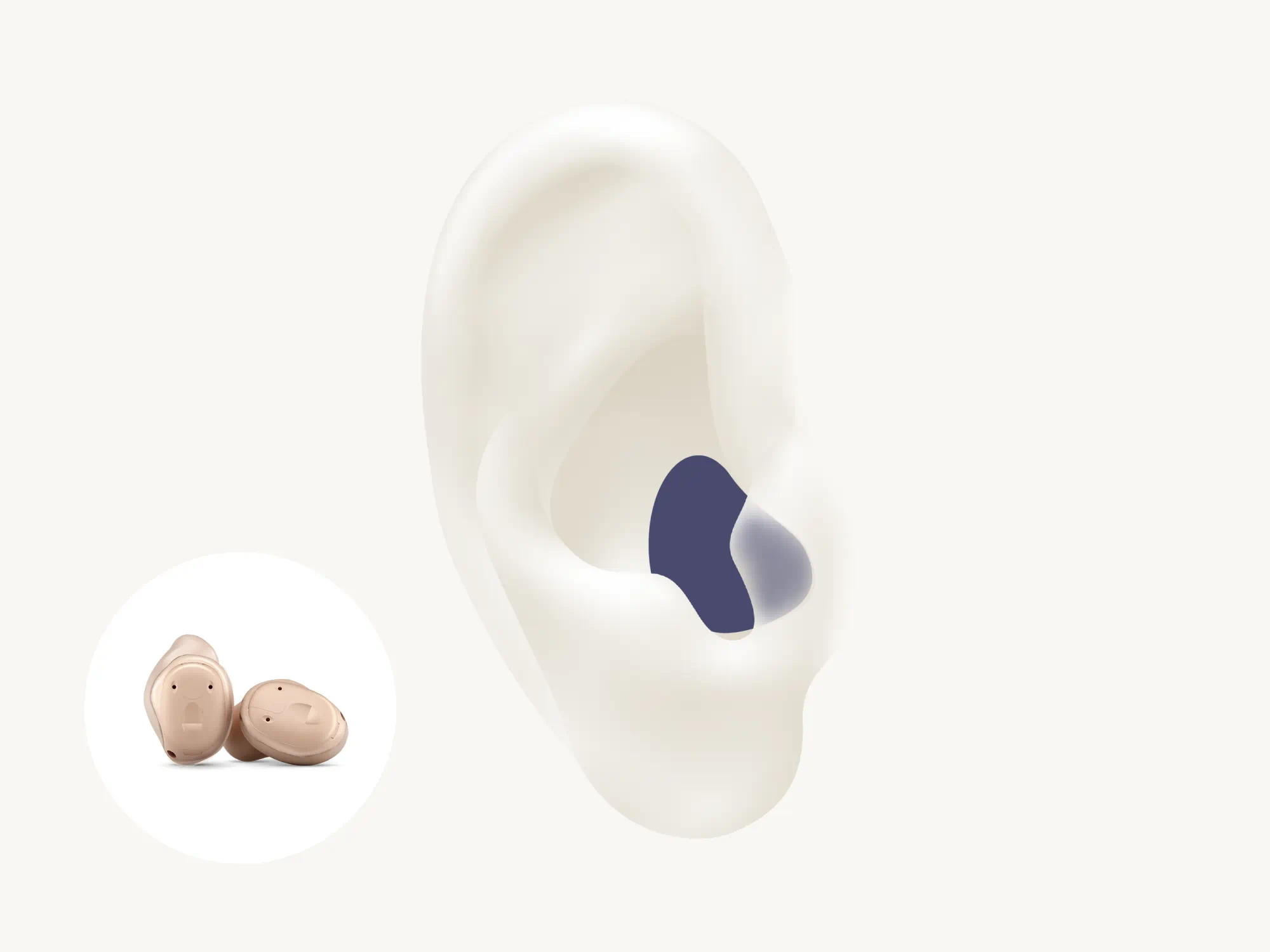
While behind-the-ear (BTE) hearing aids house most, if not all, components behind the ear and are generally open-fit, in-the-ear-ite hearing aids are placed in the concha, covering the entire bowl of the outer ear.

While behind-the-ear (BTE) hearing aids house most, if not all, components behind the ear, invisible-in-the-canal (IIC) are placed directly in the ear canal, making them much smaller and discreet. Their smaller size, however, makes them less powerful than BTE designs.

As the most popular hearing aid type on the market, there is a wide variety of styles and designs. These include open-fit designs, binaural hearing aids for both ears, small and sleek designs, digital-hearing-aids and rechargeable-hearing-aids options.
BTE hearing aids are some of the most powerful hearing aids on the market. Their larger size allows them to amplify sounds better and provide a longer battery life. They are also extremely versatile and easy to care for. With that said, BTE hearing aids are prone to picking up outside noise, as the microphones are stored behind the ear.
Your Hearing Care Professional can teach you how to properly wear and care for your BTE hearing aids. Start by placing the hearing aid behind your ear. Hold the tube connecting the earpiece to the hearing aid between your fingers, pointing it towards your ear canal. Gently push the earpiece into your ear canal until the tube is snug against your ear.  
There may be a variety of reasons your hearing aid doesn't stay in place. Ensure a proper fit with your Hearing Care Professional. Retention cords can also be fastened to your BTE to hold it in place. In addition, there are other types of adhesives and clips that can assist in holding your hearing aids where they should be.

While you may be concerned with wearing a BTE hearing aid with glasses, they can both be worn comfortably together. Be sure to place your glasses on first before putting your hearing aids in place. In addition, you should take your glasses off with two hands to ensure you're not shifting your BTE once it's in place.

If you're experiencing any problems, talk to your eye care professional and book-appointment for more advice.

Cliente com perda auditiva a cumprimentar um audiologista no início de uma consulta auditiva.

Get help finding your type

Which type of hearing aid is right for you?

Choosing hearing aids involves considering various factors, including your level of hearing loss, ear size and shape, budget, preferred features, and stylistic preferences.

Your ideal choice may not align with your initial preferences, as factors like profound hearing loss or small ear canals may limit certain options.

Consulting with a hearing care expert during a store visit, where a full hearing test and consultation are conducted, will help you identify suitable types based on your needs and preferences. From there, you can explore different brands and models to find the right fit within your budget with the desired features.

You may also be interested in

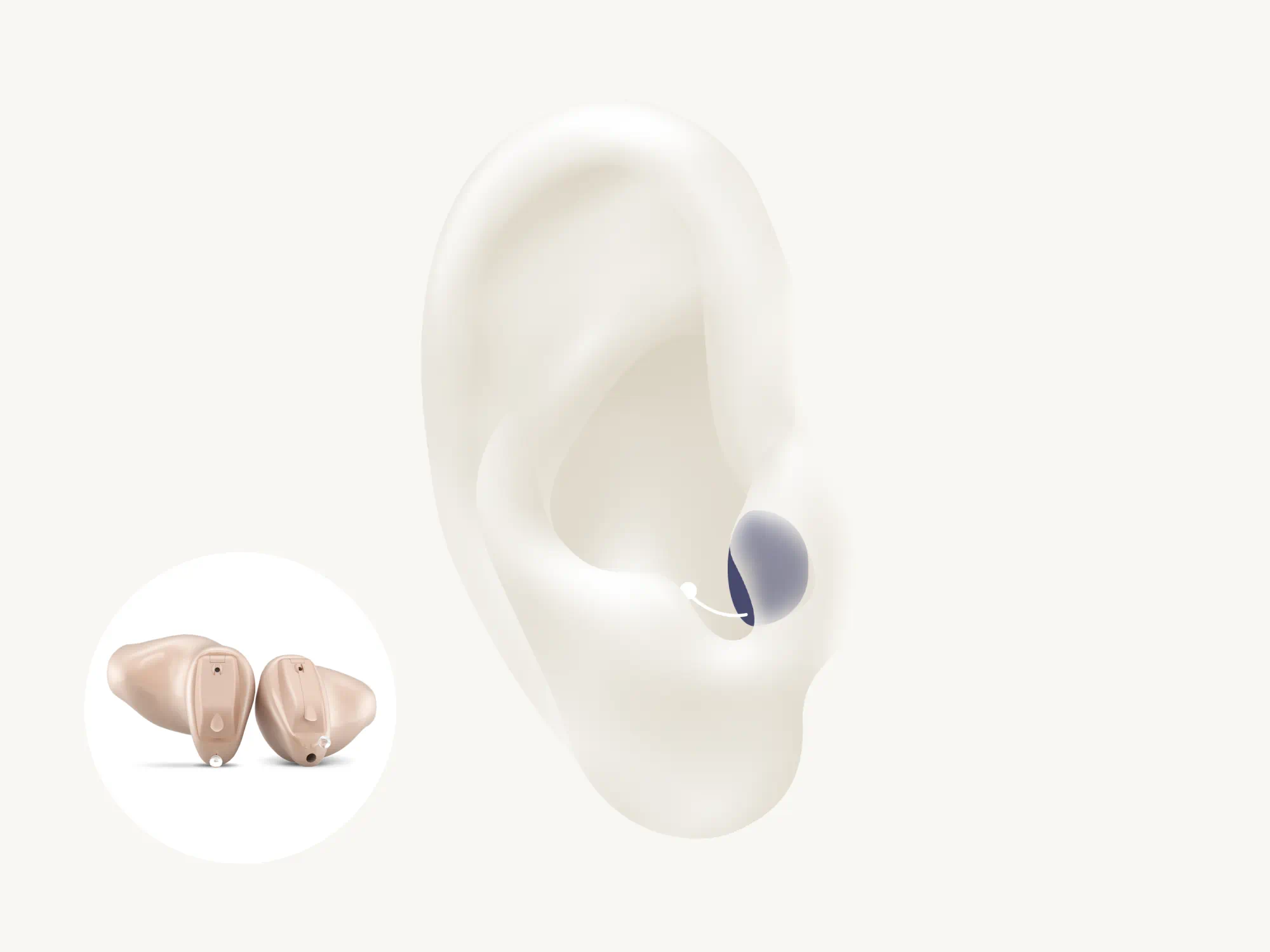
types of hearing-aids-cic-w-widex-moment-4x3

CIC hearing aids

When less is more. With a completely-in-the-canal design, your hearing aid can be your little secret.

Staying well out of the way, CIC hearing aids let your ear perform its natural function, delivering a clear, natural sound you'll love. Let’s learn more together.

types of hearing-aids-ite-w-widex-moment-4x3

ITE hearing aids

Comfortable, discreet and powerful—and tailor-made for your perfect fit. Want to learn more?
Fallback Image

RIC hearing aids

A hearing aid fit for you.

Who said you have to compromise style for quality?

Find the right receiver-in-canal (RIC) hearing aid for your lifestyle and get back to living your best life.

Portugal map hear brand

Não perca nada

Subscreva a nossa newsletter para se manter informado e aprender mais sobre como proteger e melhorar a sua saúde auditiva.
Inscreva-se

Fale com um especialista numa das nossas lojas.

Marque uma consulta

Tem perguntas ou precisa de ajuda?

Ligue grátis 800 200 434
Portugal map widex brand
localização

Encontre um centro auditivo perto de si.