
Understanding ear infections
Causes of ear infections
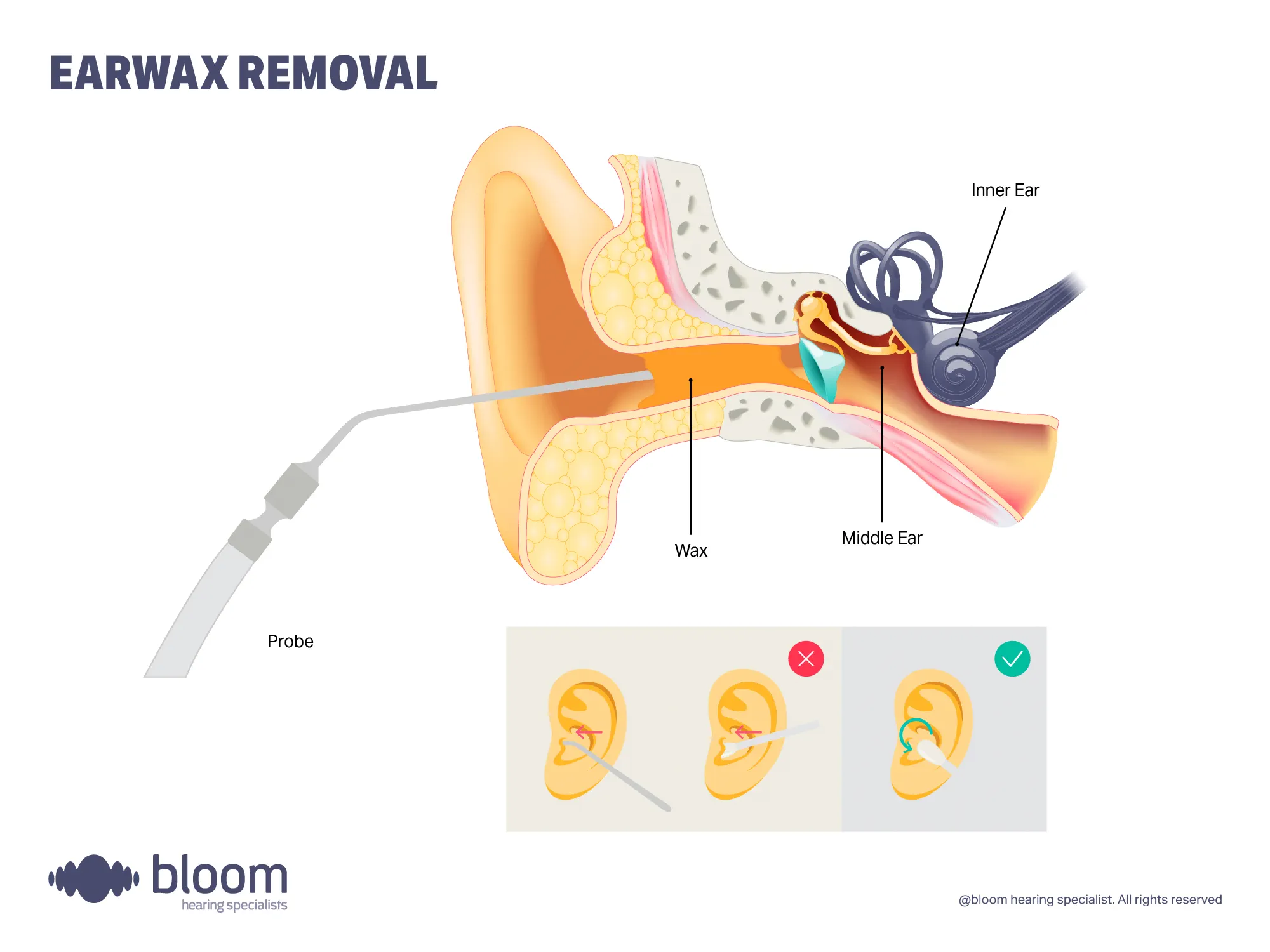
The bones and spaces making up your ear may be little, but they do big work. And when bacterium, fungi or viruses make themselves at home there, they quickly outstay their welcome. Often resulting from other illnesses that cause swelling and congestion, such as cold and flu, respiratory infections or even allergies, infections can occur in all parts of the ear: the middle, outer or inner.
Infections by ear type
Inner, middle and outer ear infections
Middle ear infections
The most common type of ear infection, also known as acute otitis media, occurs when the space behind the eardrum becomes inflamed or infected. Since the tiny bones responsible for amplifying sounds—the rockstars of the ear, if you will—are located here, these infections may muffle or reduce hearing.
Outer ear infections
Otitis externa, commonly called swimmer's ear, occurs in the outer canal when water remains trapped in the ear. Moisture becomes a cozy place for bacteria to breed and can lead to itching, redness and swelling of the ear canal.
Inner ear infections
Medically called labyrinthitis, an infection of the inner ear is often viral and is much less common than other ear infections. Because the inner ear contains delicate organs, an infection can cause both hearing difficulties and issues with balance.
Symptoms of ear infections
What to look out for
Symptoms of an ear infection can present themselves in a range of ways. Keep an eye out for the following:
An earache, which could be dull or sharp pain
A feeling of fullness in the ear
Irritation in or around the ear
Muffled or difficulty hearing
Discharge or drainage from the ear
Other conditions & risk factors
What other issues can occur?
Look no further than the middle ear to be the culprit of most ear infections and related issues. In some cases, the fluid that builds up behind the eardrum lingers. This fluid can be responsible for several issues related to ear infections.
Otitis media with effusion
Otitis media with effusion (OME) refers to buildup of non-infected fluid (effusion) behind the eardrum and can accumulate there due to illnesses such as colds, respiratory infections, allergies, or from poor function of the Eustachian tubes (the little tubes linking the middle ear and throat).
Chronic otitis media with effusion
When fluid gathers in the ear and remains there for a long period of time or continues to return without the presence of an infection, it is labeled chronic. The result can often be new ear infections or difficulty hearing.
Chronic suppurative otitis media
Simply put, this condition refers to an on-going chronic infection of the middle ear. Repeat ear infections or poorly functioning Eustachian tubes can lead to a ruptured eardrum.
Can ear infections spread?
As with many types of infections, if untreated for long periods of time, ear infections may spread to other parts of the body. That could include complications such as infection of the bones behind the ear (mastoiditis), spreading to the brain and spinal cord (meningitis) or pus collecting in the brain (brain abscess), and rupturing of the ear drum.
What increases risk of infection?
Ear infections may not be preventable 100% of the time, but there are conditions and factors that can contribute to them. Those may be:
Changes in weather or seasonal allergies:
With seasonal allergies, irritation and swelling can cause fluid buildup. In the fall and winter, illnesses such as a cold, flu or other respiratory infections can increase chances of ear infections.Environmental factors:
The air we breathe has an enormous impact on our health, and our ears are no exception. If you live somewhere with high levels of pollution, you may be more prone to ear infections. The same goes for smokers or those around second-hand smoke. Smoking weakens the immune system and can irritate the Eustachian tubes.Having a cleft palate
Differences in muscle and bone structure can make it difficult for the Eustachian tubes to drain properly, leading to ear infections.
Ear infections & hearing health
Do ear infections cause hearing loss?
We know how scary it can be dealing with ear infections or seeing your little ones having them, but the good news is: most infections don't cause long-term damage to your hearing. While fluid buildup can cause a feeling of fullness in the ear and lead to muffled or mild hearing loss temporarily, once the inflammation clears and the fluid drains, hearing will generally be restored.
When will hearing return?
Usually when the infection subsides, blockage will clear and you'll regain your hearing as it was before. However, pesky fluid buildup doesn't always make a quick exit. This lingering fluid may cause reduced hearing to last for a few days or even months following the infection.
Can hearing loss be permanent?
Long-term infections that go untreated or become chronic can cause permanent damage to the tiny bones in your ear or rupture your eardrum. Surgery may be needed to correct these issues. But how do you know if this loss is permanent? There are a few tell-tale signs:
Difficulty understanding others
Often having to ask others to speak up
Struggling to follow conversations
Turning up the TV too loud
Getting help
When should I call the doctor?
Ear infections often take care of themselves after a few days. However, if you find them sticking around for more than 3 days, it's time to call the doctor. You should also contact your doctor if you have:
Extreme pain or repeat ear infections
A high fever (over 100.4 degrees)
Reduced muscle movement or drooping in the face
Swelling around the ear
Ear infection treatment
How can I treat ear infection?
If you're dealing with a mild infection, there are ways to manage the pain until it clears: Use over-the-counter pain medication or ear drops for pain relief, apply a cold or warm cloth to the affected ear, and try not to sleep on it.
Persistent or severe ear infections may require intervention from a doctor. Antibiotics, such as amoxicillin, can be used to help clear up infections. For children, placing small tubes in the ear to help with drainage can also be a solution if ear infections keep coming back or to help drain remaining fluid.
Can ear infections be prevented?
Ear infections may be frustrating, but as with any infection, you can take control to prevent them. It all starts with healthy habits:
Don't smoke (and keep yourself or your child away from second-hand smoke)
Keep up to date on vaccinations
Regularly wash hands and avoid sharing food and drinks with others
Ear infections & hearing loss: FAQ
Do ear infections cause permanent hearing loss?
In most cases, absolutely not. While fluid buildup and inflammation can muffle or block hearing temporarily, hearing usually comes back once the infection has cleared. In more severe or persistent cases, however, hearing loss can become permanent or medical intervention may be required to restore hearing.
How long does hearing loss from an infection last?
Once the inflammation subsides and fluid drains from the ear, hearing will usually return. Since fluid can linger in the ear for some time after the infection clears, and it may take several weeks to months for hearing to be fully restored.
Do inner ear infections affect hearing?
Since the inner ear contains vital organs for hearing, inflammation and infection can cause hearing loss. If the tiny hair cells of cochlea are damaged from an infection, hearing loss may become permanent.
Do middle ear infections affect hearing?
Temporary hearing loss is quite common with middle ear infections. When fluid can't drain from your ear due to swelling, it can muffle or block sound from reaching your inner ear. Recurring or long-term infections can damage the eardrum, which may require medical intervention to repair.
Do outer ear infections affect hearing?
Since swelling of the ear is a common symptom of an outer ear infection, the narrowing of the ear canal can lead to temporary hearing loss. With treatment, this will generally clear after a few days.
Can hearing loss from an infection be reversed?
If hearing doesn't return after an infection has cleared, permanent damage may be possible. But don't panic—there are things that can aid your hearing difficulties. Damage to the eardrum can be addressed with surgery to fix a hole or tear. Hearing aids and implants can also help you hear better again.



Não perca nada
Subscreva a nossa newsletter para se manter informado e aprender mais sobre como proteger e melhorar a sua saúde auditiva.